
The Isle of Purbeck played a surprisingly important role during the Second World War. Beyond the famous story of Tyneham lie lesser-known sites that helped defend Britain and prepare for D-Day.
Many visitors come to Purbeck for the beaches, castles and spectacular coastal scenery. Yet hidden among the cliffs, dunes and quiet countryside are reminders of a time when this peaceful corner of Dorset helped defend Britain and prepare for D-Day.
If you enjoy combining a scenic walk with a fascinating story, these lesser-known wartime sites offer a glimpse into Purbeck's remarkable role during the Second World War.
1. Fort Henry and Studland's D-Day Rehearsal
Studland Bay is one of Dorset's most beautiful beaches, but in 1944 it briefly became a rehearsal stage for one of the most important military operations in history.
- Looking out across the bay stands Fort Henry, a reinforced observation bunker built to oversee military exercises. On 18 April 1944, King George VI, Winston Churchill and General Eisenhower gathered here to watch Exercise Smash, a major live-fire rehearsal for the Normandy landings.

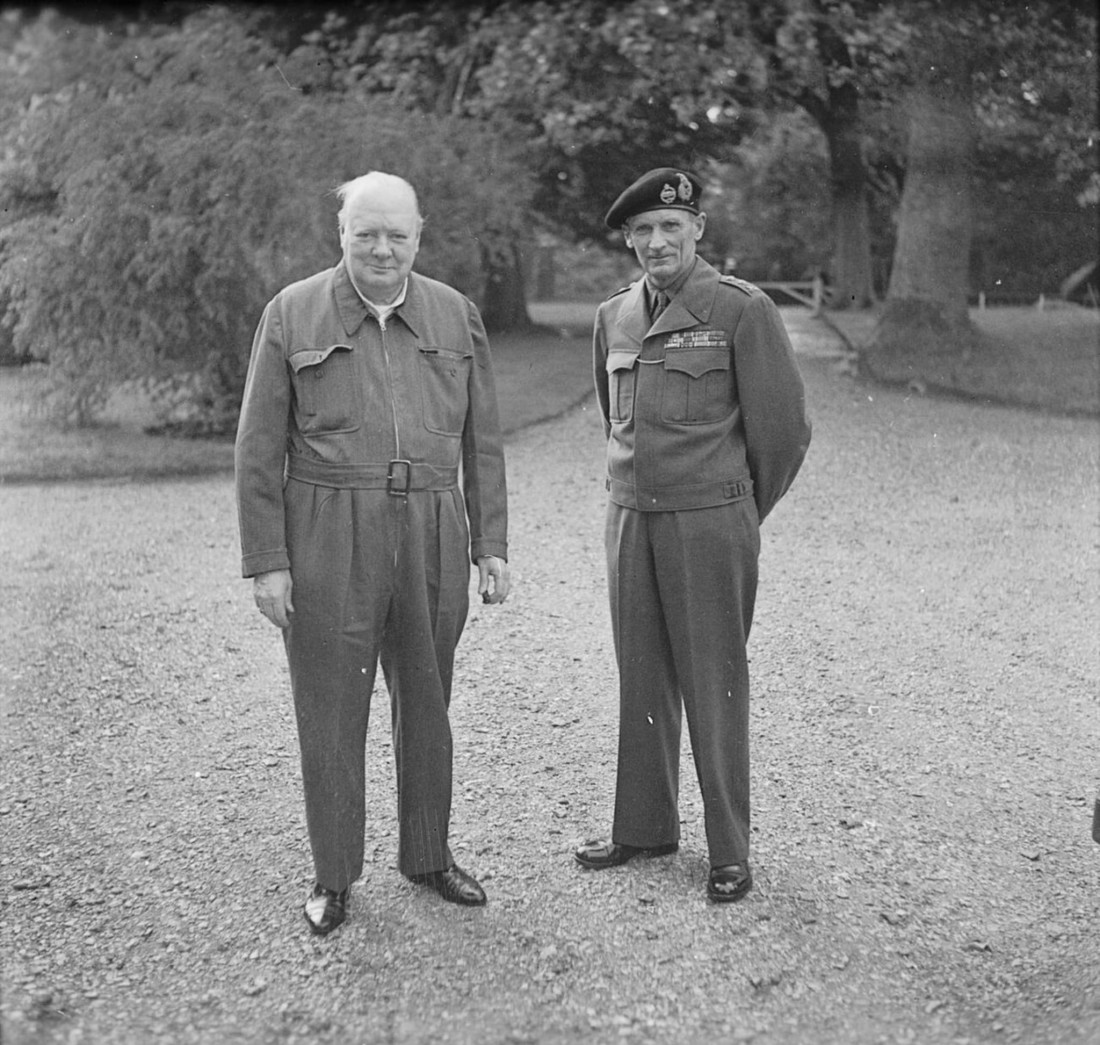
Today, Fort Henry remains remarkably intact and can be visited throughout the year. Standing beside it, watching families stroll along the beach and paddle in the sea, it is difficult to imagine the noise and tension of those wartime preparations.
What to look for;-
* Fort Henry itself
* Views across Studland Bay
* The nearby Dragon's Teeth anti-tank obstacles
* A walk through the dunes and heathland
2. The Radar Station That Helped Protect Britain
The cliffs near Worth Matravers hide one of Purbeck's most important wartime stories.
During the Battle of Britain, scientists and engineers worked on radar systems capable of detecting low-flying enemy aircraft approaching the coast. Their pioneering work helped strengthen Britain's air-defence network during one of the country's most dangerous periods.
Today, a striking memorial stands near the coast path, overlooking the Channel. The radar towers have long disappeared, but the location remains wonderfully atmospheric.
For visitors, the real pleasure is combining the history with one of Purbeck's finest cliff-top walks. On a clear day, the views stretch across the sea towards the Isle of Wight, while seabirds circle below the chalk cliffs.
Look Out For
* The Radar Memorial
* Panoramic coastal views
* Wildflowers and seabirds in spring and summer
* The nearby Square and Compass pub for refreshments
3. Langton Matravers and the War of Deception
Not all wartime defences were built from concrete and steel.
During the war, Britain created a network of decoy sites designed to mislead German bombers. Carefully positioned lights and controlled fires were used to imitate towns, factories and military installations, encouraging enemy aircraft to drop their bombs harmlessly in open countryside.
Several of these secret decoy sites operated around Purbeck, including locations near Langton Matravers.
Little remains to see today, but the story itself is fascinating. As you walk the quiet lanes and fields around the village, it is intriguing to imagine the hidden network of deception that once helped protect nearby communities.
Why It Matters
These largely forgotten sites may have saved countless lives by diverting bombs away from genuine targets.
4. Swanage's Coastal Defences
In 1940, when invasion seemed a very real possibility, Britain's coastline was rapidly fortified.
Swanage was no exception. Defensive positions, pillboxes and anti-tank obstacles were constructed to protect key routes and beaches.
Many have disappeared over time, but traces still survive around the coastline for observant walkers. These weathered relics remind us how uncertain Britain's future once seemed.
The contrast is striking. Today's Swanage is known for its traditional seaside charm, steam railway and relaxed atmosphere. Yet beneath that peaceful appearance lies a story of vigilance and preparation.
Keep an Eye Out For
* Surviving pillboxes
* Coastal defensive positions
* Wartime features hidden within the landscape
A Different Way to Explore Purbeck
One of the pleasures of exploring Purbeck is discovering that every landscape has a story.
A peaceful beach may once have hosted D-Day rehearsals. A dramatic cliff top may have helped defend Britain from attack. A quiet field may have played a role in one of the war's most ingenious deception schemes.
These wartime sites are not museums behind glass. They remain woven into the landscape itself, waiting to be discovered alongside the castles, coast paths and village pubs that make Purbeck such a special place to visit.
Many wartime sites in Purbeck are on open access land, coastal paths or military ranges. If visiting Brandy Bay or Hobarrow Bay, always check range opening dates before visiting.
History often hides in plain sight. The next time you walk the Purbeck coast, keep an eye out for concrete structures among the gorse and dunes. You may be looking at a small but important piece of Britain's wartime story.


